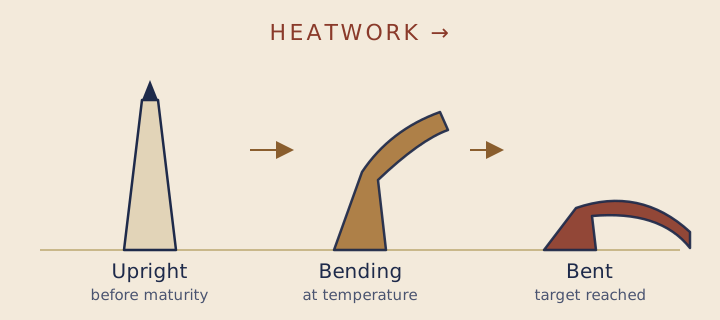
Pyrometric cones measure heat-work — the combined effect of time and
temperature — not temperature alone.[Orton]
The temperatures below are end-points for large self-supporting cones at the
standard heating rate of 108°F/hr (60°C/hr) in the final
90–120 minutes; faster firing pushes the equivalent temperature higher.
A cone measures heatwork — the combined effect of temperature and time — by bending.
Drop a photo here: a kiln interior with shelves (e.g. Unsplash “kiln interior”)
Cone
Temperature
Typical use
Cone 022
~600°C / 1112°F
Lowest end of pottery range — lustre / china paint
Site analysis: these numbers are not universal absolutes. Orton
publishes different end-point temperatures for different heating rates (15°C/hr,
60°C/hr, 150°C/hr), and the difference between rates can be 20°C+ for the
same cone. The numbers above are the most commonly cited — the
60°C/hr / large-cone column. For your specific kiln and schedule, consult Orton's
official chart.[Orton resources]